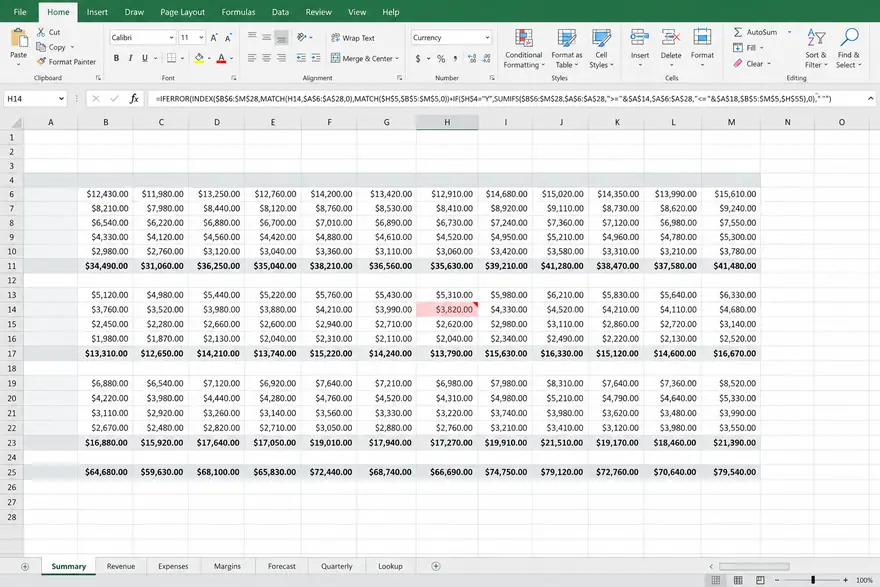
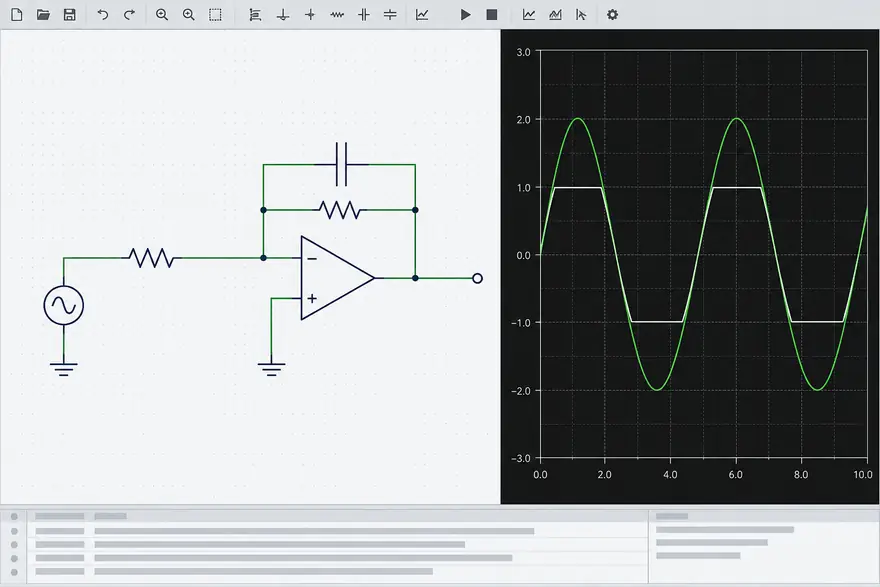

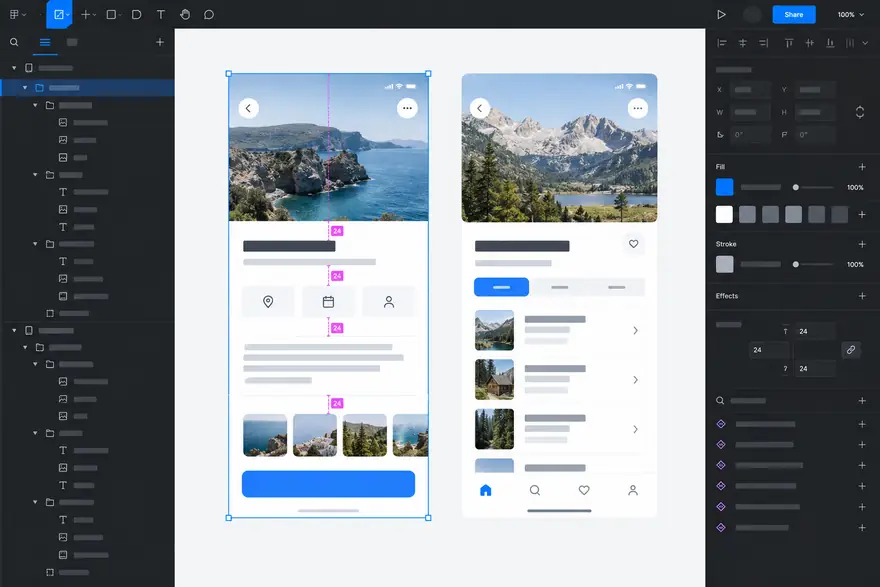
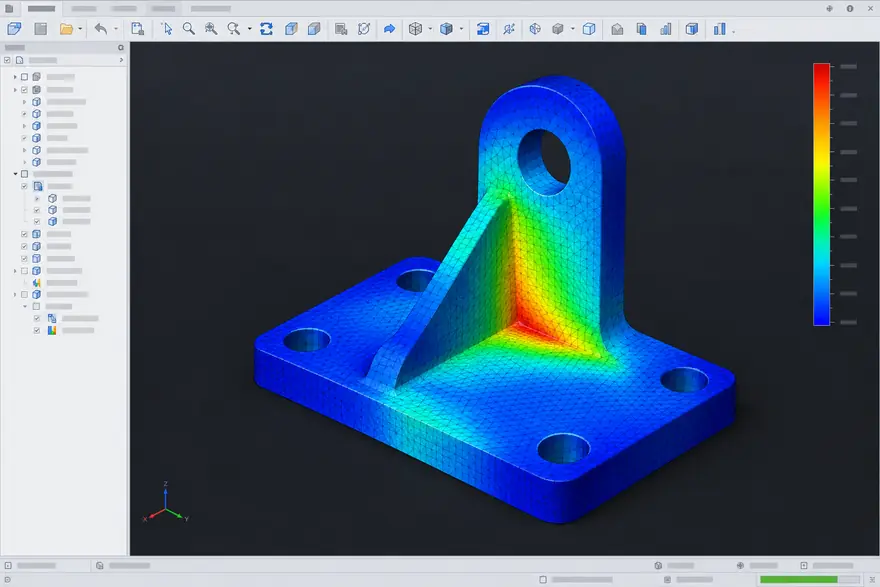
A work trial for every role

Any skill.
Scored on
real work.

Mint sets up the real tools of the job, watches the work, and scores each skill out of 100 against rubrics written by industry experts.

Engineering. Finance. Design. And beyond.

Real roles. Real work. Real signals.

Every role gets its own proving ground.

Choose a job family to see a work sample built from the tools, decisions, and skills employers ask for.

Enterprise Account Executive

JD-aligned work sample
Work sample
Qualify a stalled enterprise opportunity and build a credible close plan.
Job tools
CRM, account brief, and a simulated discovery call.
Skills & evidence
Discovery depth, MEDDPICC qualification, stakeholder mapping, and a defensible next step.
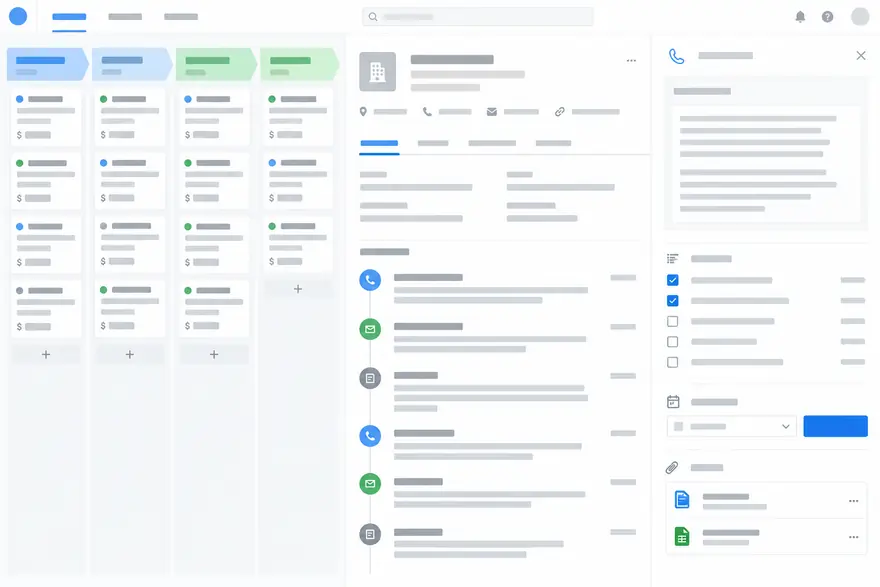
Mint Sandbox · role workspace Proctoring active
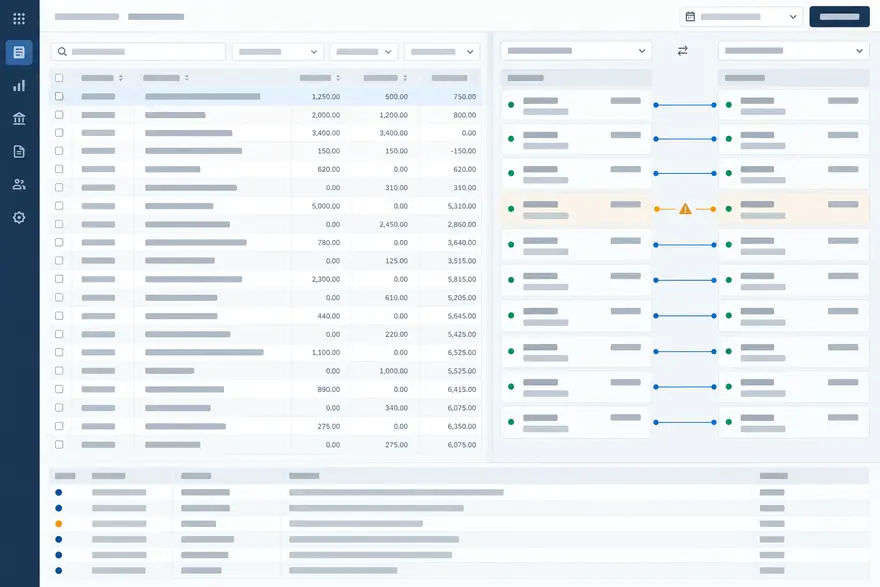
A sales CRM with a deal pipeline, account activity, and call notes.
Workspace isolatedTools recordedSession 18:42

Examples reflect common job requirements. Your team defines the bar.

Build a trial for your role
The missing evidence

The résumé tells you where.
The trial shows you how.

Experience and interviews provide context. A practical trial adds something concrete: a person doing the work you need them to do.

Beyond the claim
“Experienced in analog design.”

Can they meet the specification and explain why their circuit behaves differently under load?

Beyond the answer
“The numbers reconcile.”

Did they find the underlying error, preserve the formulas, and leave a result someone else can audit?

Beyond the final artifact
“I used AI to finish the task.”

What did they verify? Which suggestions did they reject? Can they explain the decisions in the final work?

What you get today
“5 years of React”
“Led a team of eight”
“Expert in Excel”
Claims, in their own words. Nobody has checked any of them.
What a work trial adds
React · component design84replay
Stakeholder tradeoff call71replay
Excel · model integrity62replay
Verified the AI outputflagged
Scored against the task, with the session attached to every number.

Make practical evidence part of the hiring conversation.Mint brings the workspace, challenge, and review into one process.

From role brief to decision

Mint turns your definition of good work into something observable.

The trial is assembled around the real task, delivered in an isolated workspace, and returned as evidence your team can inspect.

DefineBuildObserveReview
01
YOUR TEAM

Define the work that matters

Describe the role, seniority, tools, constraints, and the decisions a strong person should make.

Analog designer · SeniorRole brief
LTspiceComponent modelsDatasheets

Design an amplifier, test changing loads, explain the tradeoffs.

✓ Definition reviewed by the hiring team
02
INDUSTRY EXPERTS + MINT

Assemble the proving ground

Experts from the field write the tasks, questions, methodology, and scoring rubric. Mint builds the workspace around them, and your team reviews it before launch.

Trial blueprintReady to review
WORKSPACESimulator + briefTools already configured
CHALLENGEMeet the specificationWritten by practising engineers
EVALUATIONExpert rubricSet by senior analog designers
Estimated time · 55 minAI-assisted · disclosed
03
THE CANDIDATE

Do the work in the sandbox

The candidate uses the real tools. Mint records the artifact, tool activity, AI prompts, checks, and important decisions.

Mint Sandbox● Proctoring active
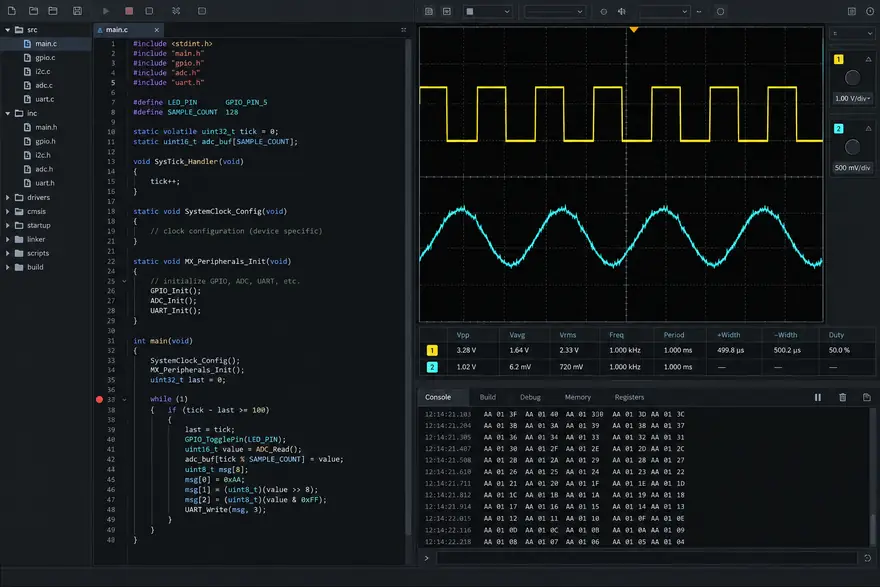
Analog circuit simulation workspace
04
YOUR DECISION

Review a score with its evidence

Start with a concise report. Open the work and key moments when you need the reasoning behind a score.

WORK TRIAL REPORTAnalog circuit design
84
Meeting the specification88
Verification91
Tradeoff reasoning76
3 artifacts8 key momentsAI transcript
Expert-built evaluation

Every trial is written by people who do the job.

Mint doesn’t guess what good work looks like. Practitioners in each field author everything that decides a score, so it measures the skill the way the industry does.

  • TasksThe real problems practitioners face on the job
  • QuestionsWhat a strong person should be able to explain
  • MethodologyHow the work should be approached and checked
  • RubricsWhat separates a 60 from a 90, skill by skill

A circuit trial is scored against a rubric from analog engineers. A finance trial, from analysts who close the books. A support trial, from people who run the queue.

See the work behind the result

A skill score.
With something to stand on.

Start with a concise summary. Inspect the work and key moments when you need more context.

The artifact they produced

The circuit, model, plan, design, or response. See the output against the requirements of the task.

The decisions along the way

Review what they checked, how they responded to a failure, and whether they verified an AI suggestion.

The context behind each score

Criteria, rationale, task scope, tools, and assessment date travel with the result. Missing evidence stays visible.

A better next conversation

Ask about a specific tradeoff or unresolved issue. Give your hiring team evidence to discuss.

Analog design · Work trial

Example report
Circuit schematicSimulation resultsDesign notes
Meeting the specification88/100
Verification91/100
Explaining tradeoffs76/100
Evidence behind the assessment
Checked the initial design against the specified operating conditions.
Investigated unexpected behavior after changing the output load.
Re-ran the simulation after revising the design and explained the tradeoff.

Illustrative scores and session events. Results describe performance on the assessed task; they support a hiring decision.

AI, in the right context

If the job uses AI,
the trial can too.

Choose the mode that matches the skill you need to observe. Make the tools and expectations clear before the candidate starts.

AI-assistedObserve how candidates direct the model, check its output, and take responsibility for the result.
UnassistedAssess foundational knowledge and independent execution within a defined tool environment.
The platform opportunity

The hard part is different in every field.
The engine underneath can be shared.

Mint combines domain-specific tools and judgment with a reusable system for building, running, and reviewing practical trials.

Domain layer
Analog designFinanceHealthcareLegalDesignSoftware
THE REUSABLE LAYER

Mint work-trial engine

Workspace orchestration · challenge delivery · AI policy · session evidence · evaluation

BuildRunLearn
What every trial produces
Configured workspaceComparable challengeInspectable evidenceDecision-ready report
01
INITIAL WEDGE

Specialist hiring

Start where résumés and interviews struggle to reveal practical ability.

Employer-paid trials
02
EXPANSION

Internal mobility and development

Use the same evidence model to identify readiness and target learning.

Repeat organizational use
03
NETWORK EFFECT

Portable proof of skill

Let trusted evidence travel when employers choose to accept it.

Candidate-side value
Investment thesis

Prove that tailored trials create enough hiring value to buy repeatedly, while each new discipline becomes cheaper and faster to support.

What we need to prove

A pilot should answer four business-critical questions.

These are validation targets, not achieved results. Each one has a concrete test and a clear signal to continue, revise, or stop.

STATUSPre-validationTargets below are hypotheses
PILOT SCORECARD

What success must look like

01 / first validation cycle
01 · BUYER COMMITMENT3paid employer pilots

Use active roles and real candidates, then ask whether the team will purchase another trial.

EvidenceSigned pilot + repeat intent
02 · PLATFORM BREADTH3distinct disciplines

Deliver materially different tools and tasks while reusing the same underlying workflow.

EvidenceShared vs custom effort
03 · REVIEW SPEED<5mto understand the result

Measure whether a manager can grasp the outcome without watching the full session.

EvidenceTimed first review
04 · EMPLOYER VALUE30%less assessment effort

Compare setup, review, and follow-up time with the buyer’s existing process.

EvidenceBefore/after workflow study
Also measureExpert agreementCandidate completionDelivery costRepeat usage
Commercial path

Start bespoke.
Earn the right to standardize.

The business model should follow proven customer behavior: first validate one difficult role, then reuse what works across a team and organization.

Candidates participate freeEmployers fund the work trial and evidence workflow.
01LEARN

Scoped pilot

One role, one hiring team, real candidates.

Validate relevance and willingness to pay
02REPEAT

Team plan

Reusable role configurations and review workflows.

Validate repeat hiring demand
03SCALE

Enterprise

Private tools, integrations, governance, and volume.

Validate expansion economics
The longer-term vision

Proof of skill that can travel—after trust is earned.

A portable result is valuable only when another employer understands what was tested and trusts the evidence behind it.

Candidate-controlled sharingDated and scoped resultsWork attached to every claim
Mint skill recordJordan Lee · Analog design
Verified
OVERALL RESULT84Senior-level task
What was testedAmplifier design under changing loadsToolsLTspice · component models
Meeting the specification88evidence
Simulation & verification91evidence
Tradeoff reasoning76evidence
Tested Sep 2026 · scope and tool versions attached3 artifacts · 8 key moments · AI transcript
A credible path—not a launch assumption
1

Prove relevance in one role

Domain experts agree the task and evaluation reflect real work.

2

Make evidence easy to inspect

Employers can understand the score, scope, and supporting work quickly.

3

Earn reuse across employers

Another team independently chooses to accept an existing result.

Practical questions

What teams need to know before a pilot.

Mint is built around the work, so scope, tools, evidence, and candidate expectations are agreed before launch.

Bring us a difficult role
01What kinds of skills can Mint assess?

Skills people can demonstrate in software, digital workspaces, or simulations—from circuit design and financial modeling to operations, design, and coding. Physical execution may require equipment or additional observation.

02What does Mint create for a role?

A tailored workspace, relevant tools and materials, a practical challenge, and evaluation criteria. Your team reviews the scope before candidates are invited.

03Can we use our own tools and scenarios?

Yes, subject to pilot scope, software access, licensing, security, and proprietary-data requirements.

04How are candidates evaluated?

Against rubrics written by experts in that field. Practitioners author the tasks, questions, methodology, and scoring criteria for each discipline. Mint connects the candidate’s work and session evidence to those criteria, and judgment-heavy dimensions are calibrated with domain experts.

05Can candidates use AI?

The trial can be assisted or unassisted. The policy is disclosed in advance; assisted trials can evaluate prompting, verification, and responsibility for the result.

06What does the candidate know?

The brief, expected duration, available tools, AI policy, recording scope, sharing rules, and accommodations are clear before the assessment begins.

Bring your hardest-to-assess skill

What does good work look like in your field?

Give Mint a role, its tools, and one meaningful task. Use the brief to start a pilot conversation.

1Describe the role2Name the tools3Define the work
PILOT BRIEF

Start with one difficult role

Nothing is submitted

Your answers stay in this browser and are used only to create the downloaded brief.